Tuesday, October 11, 2011

Loving Spring

I have been trying to finish this post for a couple of weeks.  Although we have been at home for the holidays, there has been plenty of activity and the interruptions are continuous.  There has been golf and tennis, farm work and gardening, footy finals and shooting, rain and sunshine.  We have scrambled over the Grampians

and trampled over Mt Napier.

 There are lots of pretty things in the garden at the moment:


The Mme Alfred Carrier is the only rose flowering so far
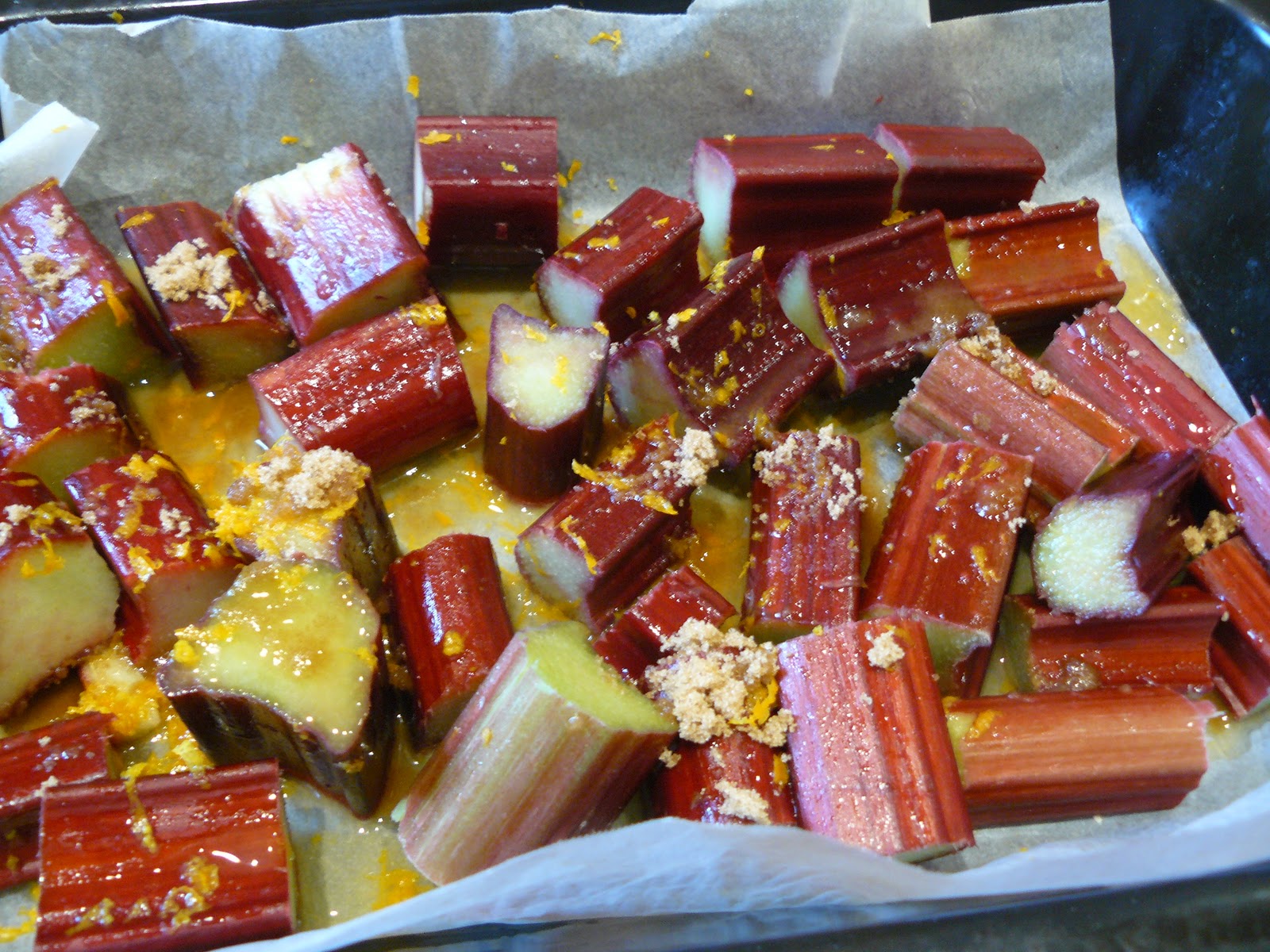
I have been growing some giant rhubarb...
which was then cut up on a tray, drizzled with orange juice, a bit of orange zest, some brown sugar and roasted for 15 minutes before becoming a crumble with a few strawberries thrown in (recipe another day).
I made a really good chicken dish last week.  Rave reviews.  You must try this as it is sooo easy.

Preheat the oven to 200c.
Put as many chicken thighs (bone in) as you think you will need on a baking tray.  Halve enough new potatoes for everyone and scatter around the chicken.  I was able to dig up some from last year's potato crop in the old veggie garden.  

Place strips of proscuitto over the top of the chicken and dot about some unpeeled garlic cloves and sprigs of thyme.  Season with salt and pepper.  Put in the oven for 20 minutes.  I did this in the Roasting oven of the Aga which is very hot.

In the meantime in a small bowl mix 1 tblsp dijon mustard, the juice of 1/2 lemon and about 2/3 cup verjuice (you could use white wine).  After the 20 minutes take out the chicken and pour over the verjuice mixture.  Give it another 20 minutes until the chicken is golden and cooked through.


Sunday, September 25, 2011

What's been cooking...

I think I have solved my photo problem, it may only be temporary.  Frantically busy, but hopefully things will calm down now that a) lamb marking is finished and b) it is school holidays.  I have cooked loads of things in the last couple of weeks but they have either failed (honeycomb....twice...let's not talk about it) or I haven't photographed them (amazing slow cooked shoulder of lamb, sensational meringues).  I have, however,  made homemade baked beans, which were easy and quite delicious:
I never buy baked beans because no-one in the family showed any interest in them so when my daughter    had tinned baked beans recently and announced that she did indeed like them, I thought I should show her what they really should taste like.

BAKED BEANS.  Should serve 4.  They also freeze well.

350g cannellini beans (give them a rinse and cover with water in a saucepan and bring to the boil while you get everything ready)
olive oil
1 brown onion, diced
2 cloves garlic, crushed
1 carrot, diced
2 rashers of bacon, diced
1 red capsicum, deseeded and diced
1 can of chopped tinned tomatoes (400g)
1 bay leaf
1 teaspoon paprika
chopped parsley to serve

Optional: I have seen recipes that include a ham hock during the cooking.  This adds flavour, but you don't need extra salt.  Also you can add a couple of tablespoons of maple syrup before serving.

Preheat the oven to 150c.  Strain the beans when they have come to the boil, and run under the cold tap.
Heat oil in a heavy pot and cook the onion gently for a few minutes before adding the garlic, bacon and carrot.  Cook for five minutes, stirring, then add the capsicum.
Add tomatoes and beans, bay leaf, paprika and salt and pepper.  Pour over about 1/2 cup of water or enough to cover the beans comfortably.
Put in the oven and cook for approx 4 hours, stirring every now and then to make sure there is enough liquid (just add some more water if they are looking a bit dry).  I left these in the Aga for most of the day, which is, of course, the beauty of the beast.
Good on toast or with a salad.

The other thing I have had a go at is sweet chilli sauce, which I was inspired to make after seeing some beautiful red chillies in the fruit shop the other day.  After a bit of googling, this is what I came up with.

SWEET CHILLI SAUCE - Makes a couple of small jars

6 large red chillies
4 cloves garlic
1 teaspoon grated fresh ginger
3/4 cup sugar
2/3 cup rice vinegar
salt to taste

Finely chop the chillies, retaining most of the seeds (or all of them if you like it hotter) and chop up the garlic.  Put in a saucepan with the ginger, sugar, rice vinegar and salt.
Bring to the boil and stir to dissolve sugar.  Simmer for about 20 minutes until it is nicely reduced and syrupy.
Pour into sterilised jars and seal. I would recommend jars with a wide neck, a least big enough to spoon out the sauce, as it is quite thick.   This should keep for up to two years, if kept in a cool spot.
Pretty flowering gum

Tuesday, September 13, 2011

The last of the blood oranges

Sorry for the recent lack of correspondence.  My computer is misbehaving and not loading my photos with the pleasure it used to.  Not sure why.

Here are some more spring flowers in the garden.  The warm weather has really got everything going.
Freesias
Quince blossom complete with bee
Clivias
Pity that in the last week we have had rain and even some hail so we have had a bit of a return to winter.  Still the garden always appreciates a drink.  Now that lamb marking is in full swing we are guaranteed to get some rain.

This winter I have been able to get organic blood oranges from our wonderful local deli, Pronto in Warrnambool.  They are so beautiful and I have been making sorbet, putting them in salads and enjoying the juice.  As we were recently given some local olive oil to taste, I thought it the perfect opportunity to try the Blood Orange and Olive Oil cake that I have been eyeing off at Smitten Kitchen.
This cake is well worth making.  It is easy and I'm sure would freeze well.  I did use less sugar, and I did find that the orange pieces sank to the bottom, but it doesn't really matter.

BLOOD ORANGE CAKE (from Smitten Kitchen)

3 blood oranges
160g castor sugar
1/2 cup buttermilk
3 large eggs
a scant 2/3 cup of extra virgin olive oil
1 3/4 cup (220g) plain flour
1 teasp baking powder
1/4 teasp bicarb soda
1/4 teasp salt

Preheat the oven to 180c.  Line a loaf tin (the one I used was 23cm x 13cm) with baking paper.
Grate zest from two of the oranges and put in a bowl with the sugar.  Mix together.
Peel and segment two oranges, catching juice in a bowl.

Squeeze juice from remaining orange and add enough buttermilk till you have 2/3 cup liquid in total.
Add to sugar and mix.  Whisk in eggs and olive oil.
In a separate bowl whisk together flour, baking powder, bicarb soda and salt.
Mix wet ingredients into dry, gently using a whisk if you need to get out any flour lumps.  Pour into tin.
Bake 45-50 minutes till a skewer inserted into the middle comes out clean.
Cool on a rack for 10 minutes then take out of tin to cool completely.  It would be good with some greek yoghurt or cream on the side.
The other thing I am loving in this seasonal transition is the last of the broccoli.   Since there is only so much steamed broccoli you can eat I have been roasting it and pan frying it till it's nice and crispy and using it in salads.   I originally saw this at the stonesoup and have been running with it.
Here I just threw it in with some poached chicken, salad leaves from the garden, some toasted flaked almonds and a slice of grilled haloumi for good measure.  And some dressing (vinocotto, olive oil, s & p).  It made a delicious and healthy lunch.

Monday, August 29, 2011

Signs of Spring and the AGA

Spring is on the doorstep.....there are drifts of daffodils everywhere,
the viburnum,
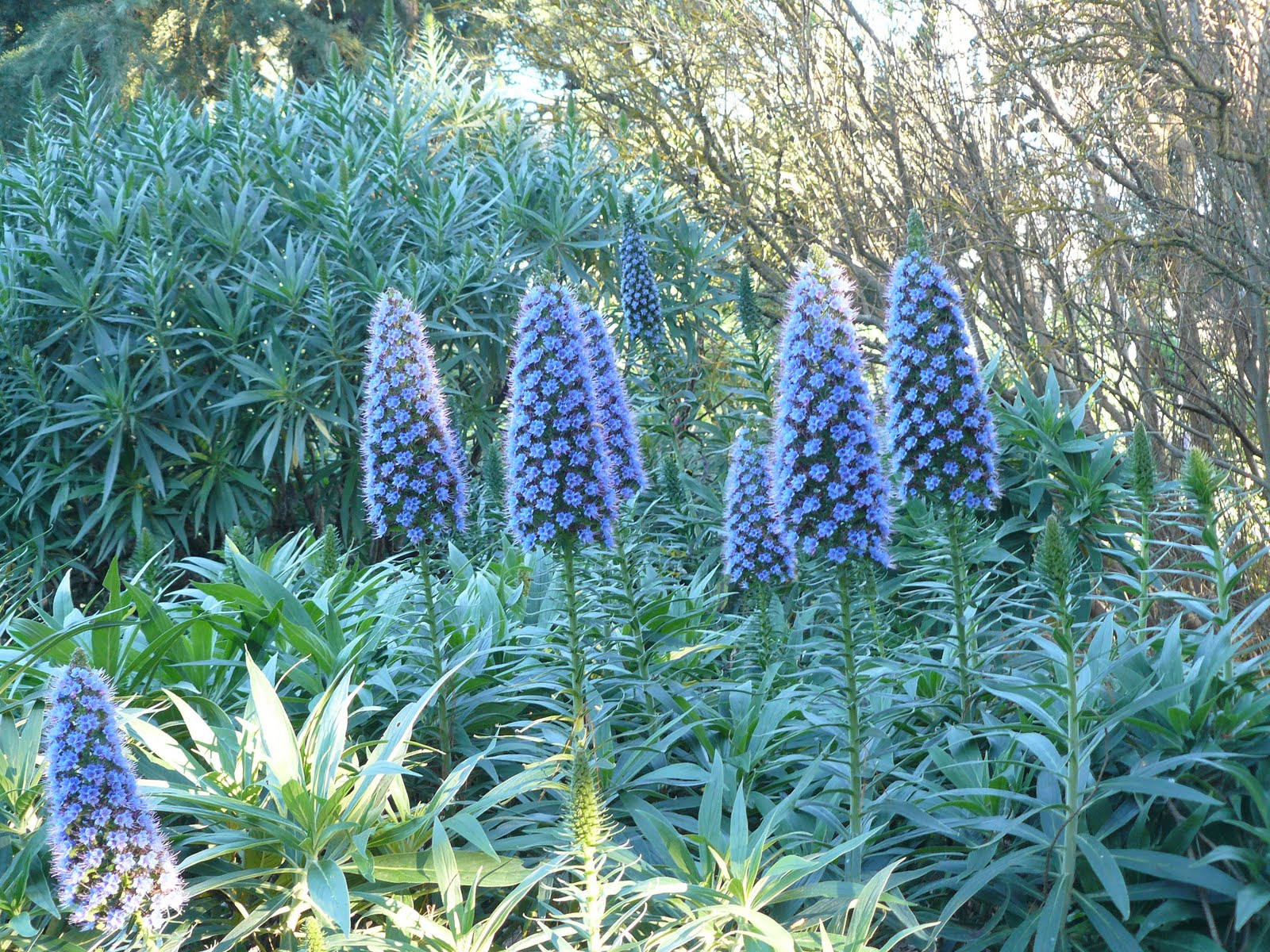
the echiums
 
the honey-scented buddleja salviifolia, 
and the broad beans are all starting to flower,
 and the rocket is rocketing...
The Aga is finally installed, I had to wait a week for the tiles to be finished but here it is at last:
The kitchen is warm all day.  I am LOVING IT.  I can't wait to try a slow cooked leg of home grown lamb.  There hasn't been time as we have been away a lot in the last couple of weeks.  In the meantime there has been lots of experimentation, trial and error, some burnt toast and confusion with the timing mechanism, but we are getting there.

Yesterday I made marmalade.  
Don't know why that photo has a dark band at the bottom
I make it every year when the Seville oranges come into our local fruit shop and make enough to last a year, including some to give away.  As the making of marmalade is a bit of a labour of love I go for a fairly simple recipe, based on the one in Stephanie Alexander's Cook's Companion, which she in turn got from a "competent Western District cook".  So thank you western district lady, I wonder if you are nearby.

ORANGE MARMALADE

No measurements, all depends on how much fruit you have.
Seville oranges (I had seven)
plus 2 sweet oranges
salt
sugar
Quarter the oranges and remove the central membrane.  Flick out about a tablespoon of pips.  Thinly slice the fruit.  Weigh the fruit and put into a large pan and for every 500g fruit add 1.8 litres of water and 1/4 teaspoon of salt.  Wrap the reserved pips in muslin or a square of Chux and add to the pot.
Simmer until the peel is quite soft.  Remove the pips and leave overnight in a large ceramic or stainless steel bowl.

Next day, measure the fruit and water and for every cup add 3/4 cup sugar.  (The original recipe has one cup of fruit and water to one cup of sugar but I find that too sweet).  Bring to the boil and cook for about 30 minutes at a rolling boil until it passes the wrinkle test.  It can take longer depending on the amount of pectin in the fruit.  For the wrinkle test, place a saucer in the freezer for a few minutes then put a teaspoon of marmalade on the saucer and return to the freezer for another few minutes.  Run your finger through the marmalade and if it wrinkles it is ready.  Put into hot sterilized jars.

This batch made 13 jars of varying sizes.

Tuesday, August 16, 2011

News Flash


Aga finally being installed today.  Very excited.  Kitchen looks like a bomb has gone off.
Here's what I cooked dinner on last night:
More updates to follow...


Monday, August 15, 2011

Eggs

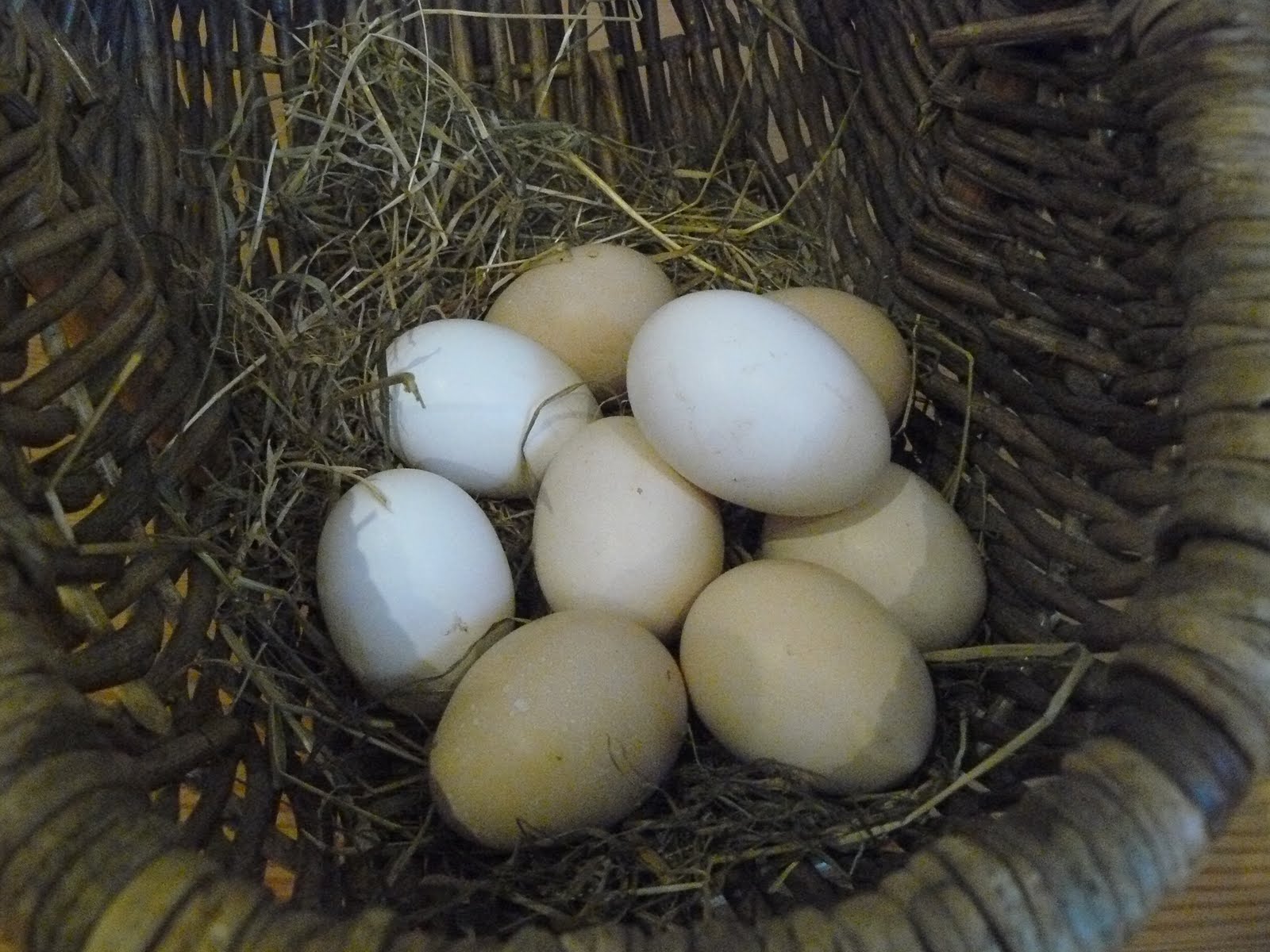
These are the eggs that the Wyandottes are laying:
I think the really white ones are from the Speckled Hamburg.  They are quite small, so very handy if you halve a recipe and only need half an egg, or for brushing pastry, or a single serve of spaghetti carbonara (daughter's current preferred Sunday night supper)  and they look rather lovely atop a muffin for breakfast. The chooks are laying well at the moment so I have plenty of eggs to give away and still have a steady supply to cook with.

A good way to use up eggs is by making a frittata, which is a nutritious lunch dish, and a great way to use up a few stray veggies.  It doesn't really require a recipe as such, but here is roughly what I do:

Heat the oven to 180c.  Chop up some pumpkin, potato or sweet potato, drizzle with olive oil and cook for 25 minutes until starting to brown and is cooked through.
In a pan gently cook some leek and bacon (zucchini, grated or sliced, mushrooms and red capsicum are good too).
Line a tin with baking paper and spread the pumpkin, leek and bacon over the base.  I often add a few teaspoons of marinated goat's cheese or feta too.  Whisk 5 eggs and  a tablespoon of cream and pour over the veg.  Season with salt and pepper.  Sprinkle with 1/2 cup or so of some nice tasty cheese and bake in the oven for 20-30 minutes until cooked through and starting to brown on the top.
Last week I made some individual ham and pea frittatas which I then froze in a plastic bag and are great the school lunch box. 

I also whipped up a passionfruit pudding, similar to one that was published in The Age a few weeks ago.  This is similar to the classic Lemon Delicious.

PASSIONFRUIT PUDDING  Serves 4-5

60g softened butter
3/4 cup castor sugar
2 eggs, separated
2 tblsp SR flour, sifted
Juice and zest of one lemon
Pulp of 3 large passionfruit
1/2 cup milk

Preheat the oven to 170c.
Cream butter and sugar and add egg yolks one at a time.  Add flour, lemon juice and zest, milk and passionfruit pulp and beat well.

Beat the egg whites until stiff and gently fold into through the batter.
Pour into a buttered pudding dish (or individual ones), place in a water bath and cook for 30 minutes until golden brown.
It was a beautiful day yesterday so we sat outside to have lunch.

I found this late winter salad recipe by Yotam Ottolenghi whilst reading the Guardian website the other day.  It is a lovely salad, though the philistine menfolk proclaimed it a "chick's salad".

Blood orange and anchovy salad

Of all the salted anchovies in oil on the market, the Spanish Ortiz brand is probably the best (Brindisa sells them at £17.50 for six 47g tins). They are meaty, just salty enough and are filleted properly, by hand, so they don't share that gritty texture many anchovies seem to have. For those people who just can't stand anchovies (even ones as good as these), capers make an adequate substitute. Likewise, normal oranges work perfectly well when blood oranges are not around. Serves four.
3 tbsp white-wine vinegar
100ml olive oil
Coarse sea salt and black pepper
200g raw fennel, cut widthways into 2mm slices
2 tsp fennel seeds
2 tsp coriander seeds
5 blood oranges (about 400g in all)
60g radishes, thinly sliced
70g Kalamata olives, pitted
20g basil leaves, roughly shredded
10g tarragon leaves, roughly chopped
30g Ortiz anchovies, cut into 2cm-long pieces
40g rocket
Put half the vinegar, three tablespoons of the olive oil and some salt in a bowl, stir in the sliced fennel and set aside to soften for 15 minutes.
Meanwhile, toast the fennel seeds and coriander seeds in a dry frying pan for about two minutes, until they just begin to release their aroma, then crush roughly with a pestle and mortar.
Chop off and discard the ends of the oranges. One by one, stand the oranges upright on a chopping board and, with a sharp knife, cut downwards to remove the skin and pith in neat sections. Once peeled, cut each orange into 0.5cm thick slices (you'll get around six slices from each orange) and place in a bowl.
Add the radishes, olives, basil, tarragon, anchovies, rocket, softened fennel and crushed fennel and coriander seeds. Add the remaining oil and vinegar, and toss the salad gently – it's always best to use your hands for this. Season to taste, then divide between four plates and serve.
I didn't have any radishes or tarragon (or Oritz anchovies for that matter) but it was still very good.
The first iris
Despite the sunshine yesterday it is still very wet here.  Every time the humble shepherd husband goes out around his sheep I await the "I'm bogged" phone call.  Mud everywhere...

Thursday, August 4, 2011

Back inside

After a few oddly warm and spring-like August days it is raining again.  At least the paddocks and garden had a chance to dry out a bit.  It is good lambing weather, when it is sunny you can practically see the lambs growing.  We have had loads of twins this year and even some triplets:
We lamb marked some early lambs on Tuesday.  A contractor does our main lamb marking but as this was a smaller number we did them ourselves.  It has become a tradition to light a fire and cook our lamb marking lunches:

As you can see, all the five food groups are represented (chops, steak, onions, potatoes, egg).  At least I managed to sneak a bit of lettuce onto Tim's steak sanger.


I found a rolled lamb shoulder in the freezer and decided to stuff it.  


LAMB SHOULDER STUFFED WITH FETA AND OLIVES

1 leg or shoulder of lamb, boned
2 tblsp lemon zest
3/4 cup pitted black olives
180g feta, crumbled
1 tblsp olive oil
3 cloves garlic, finely chopped
¼ cup flat leafed parsley, chopped
¼ cup fresh oregano, chopped
Salt & black pepper

In a small bowl, combine lemon zest, olives, feta, oil, garlic and herbs.

Lay lamb out on a board.  Pile stuffing onto lamb, roll up and tie securely with string.  Season with salt & pepper.
Leave lamb for 30 minutes to get to room temperature then brown on all sides in a hot pan.

Bake in 180 oven for 1 ½ - 2 hours
Rest for 15 minutes in a warm place before serving
Sorry no garnish....in a hurry

Very good with crab apple or quince jelly
Serves 6